



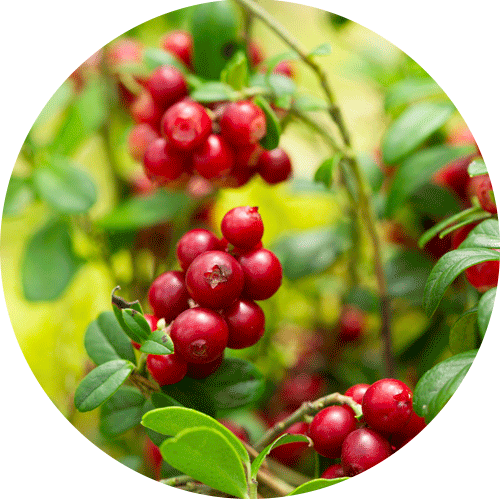
When we talk about flavor innovation, we tend to look at what is on the rise: new combinations, ingredients gaining popularity or profiles starting to emerge across different categories. But there is also another territory to be explored; one which we still know little about.
Food biodiversity is far broader than the ingredients we typically see in supermarkets, on menus or in product launches. In fact, the Food and Agriculture Organization (FAO) estimates that around 10,000 species of flora and fauna are used as food throughout the world, and many of them remain underrepresented in consumption statistics and studies.
There is no official classification of “unusual flavors”. From a technical perspective, concepts such as “wild foods” and neglected or underutilized species offer a better way to approach this field: foods linked to specific territories, local traditions and a diversity that still has little presence in mass-market product development.
From unknown to protagonist
History shows that some ingredients we now consider sophisticated or familiar were once far from being mainstream.
Saffron, truffles and Madagascar vanilla are good examples of ingredients that were previously associated with specific markets, but are now widely known and used in a range of different applications.
A little-known ingredient is not necessarily a trend; it can become an opportunity when it has something special… a distinctive sensory profile, an origin story, a cultural identity or an application that delights consumers.
Exploring these ingredients, therefore, requires more than just identifying them in their natural state; we must understand what makes each profile unique and how it can be meaningfully incorporated into a product.
Biodiversity that can also be savored
Latin America is a particularly interesting territory for this kind of exploration.
Chilean guava, box-leaved barberry, copao cactus, camu camu, cupuaçu, naranjilla, banana passionfruit, calamondin orange and pineapple guava are just some examples of fruits and ingredients with widely differing sensory identities and varying levels of recognition across Latin America.
These “unusual flavors” provide acidity and freshness, as well as fruity, floral, tropical and more distinctive notes. Their origin is also an important part of what they offer, especially when there is a clear connection between the ingredient, its territory and the story it can tell.
For a profile to become a value proposition, there must be a balance between differentiation, sensory appeal and applicability. That is why looking toward little-explored ingredients does not mean chasing the exotic. It means expanding the map of possibilities.
An ingredient can be completely unknown and still not have been given a clear opportunity. Another might have a limited presence yet possess the necessary characteristics to inspire a distinctive beverage, snack, confection or dairy product.
At Cramer, exploring new flavors also entails understanding their origins, sensory characteristics and the opportunities they can unlock across different categories. Because often, before becoming a trend, a flavor simply needs someone to discover it!
You can also find us on


